
Long Read: What the Milburn Report Tells Us About The Future
The recently published independent report ‘Young people and work’, overseen by the Rt Hon. Alan Milburn, contains a number of stark and sobering findings for young people in the UK, and should be essential reading for anyone concerned about their future.
The central message contained within the pages of the Milburn report is stark for young people. It concludes that too many are becoming detached from education, employment and training at precisely the moment when they should instead be gaining confidence, building skills, forming relationships, and taking their first steps towards independence.
The report describes a generation of young people facing a labour market that has become harder to enter, a welfare system this is too often focused on incapacity rather than possibility, and public services that are not always designed around participation. It also highlights how issues such as anxiety, depression, disability and low confidence are increasingly intertwined with the experience of being classed as NEET — not in education, employment or training.
For Place For Youth, these findings are both deeply concerning and deeply familiar.
Through our work delivering The Teenage Market® and wider youth-led enterprise activity across the country, we see that young people today are not lacking talent, ambition or creativity, but are instead lacking opportunity: a first step, a safe space, a supportive environment, and someone willing to believe in what they can do.
The Milburn report: a national warning
The Milburn report makes clear that the UK’s NEET challenge is not simply a short-term youth unemployment issue. It is increasingly a question of young people becoming detached from the labour market altogether.
The report highlights that nearly one million young people aged 16 to 24 are currently not in education, employment or training. It also points to a significant shift in the nature of the problem, with a growing proportion of NEET young people now economically inactive rather than actively looking for work.
This matters because time spent outside education, work or training can have a long-term scarring effect. It can damage confidence, reduce future earnings, worsen health, and make it harder for young people to re-enter the world of work later on.
One of the most important findings of the report is the connection between NEET status, mental health, and neurodiversity. The report argues that anxiety, depression, neurodevelopmental conditions and other forms of distress are no longer peripheral issues. For many young people, they are central to their experience of exclusion from work, education and training.
The report also challenges simplistic narratives about young people lacking motivation. It makes clear that many young people want to participate, but face systems that are too rigid, too fragmented, and too slow to respond to their needs.
That is why the report’s call for a stronger “participation system” is so important. It rejects moves towards another programme or pilot and instead demands a permanent systemic change that is responsive to the problems of tomorrow, worthy of the generation it is supposed to serve and funded at a level that treats young people as an investment, not a cost.
The death of the ‘Saturday’ job
One of the most powerful reflections in the Milburn report is its focus on the decline of the traditional “Saturday job”.
For previous generations, part-time work in shops, cafés, markets and hospitality often provided a first, low-pressure introduction to working life. These jobs were not always glamorous, but they mattered. They gave young people the chance to speak to customers, handle money, turn up on time, take responsibility, and experience the confidence that comes from being trusted.
Whilst fewer young people now have access to the kind of informal, early work experience that once helped them build confidence, the rise of the young self-starter is alive and well - which is demonstrated by the levels of engagement in our Teenage Market initiative.
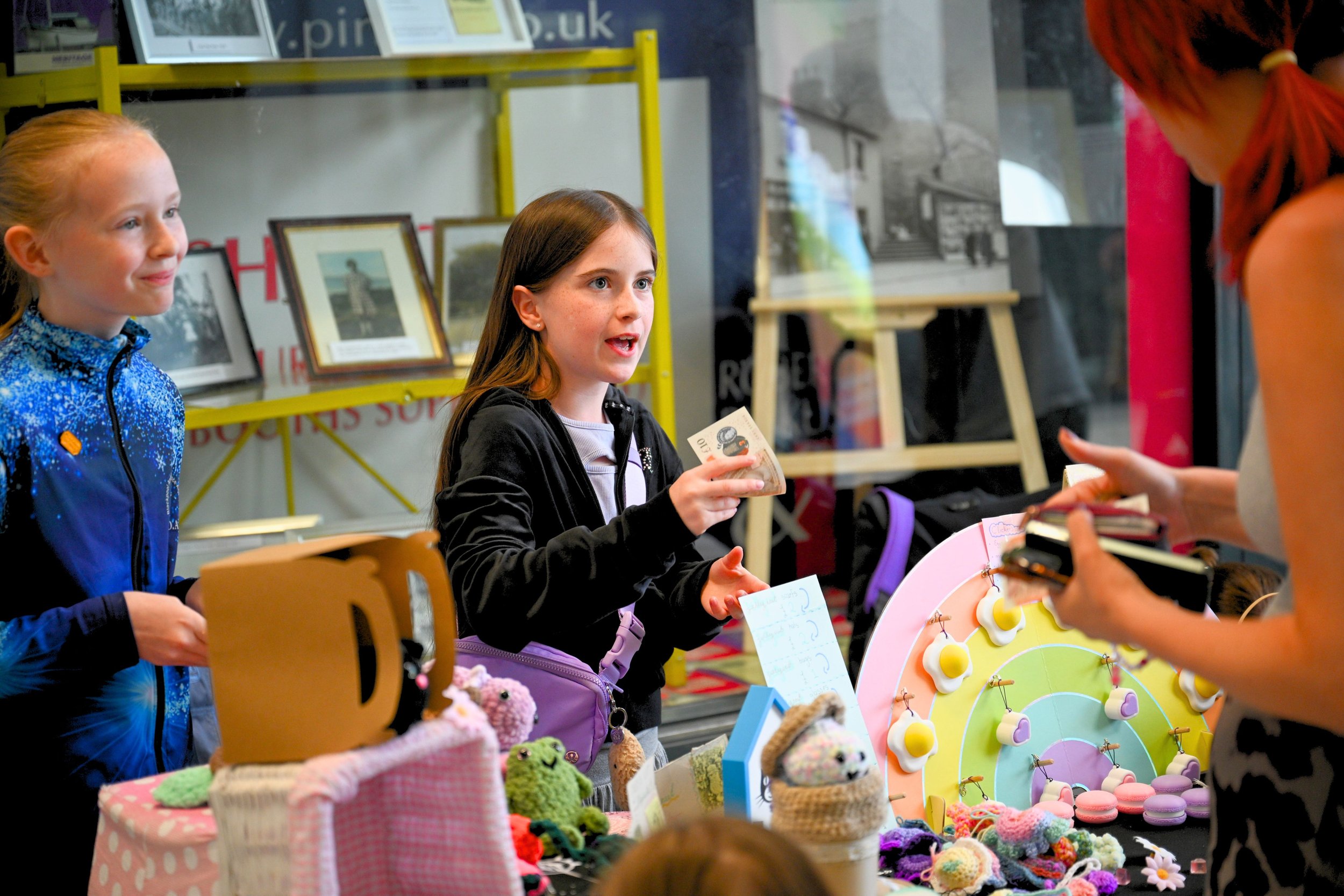
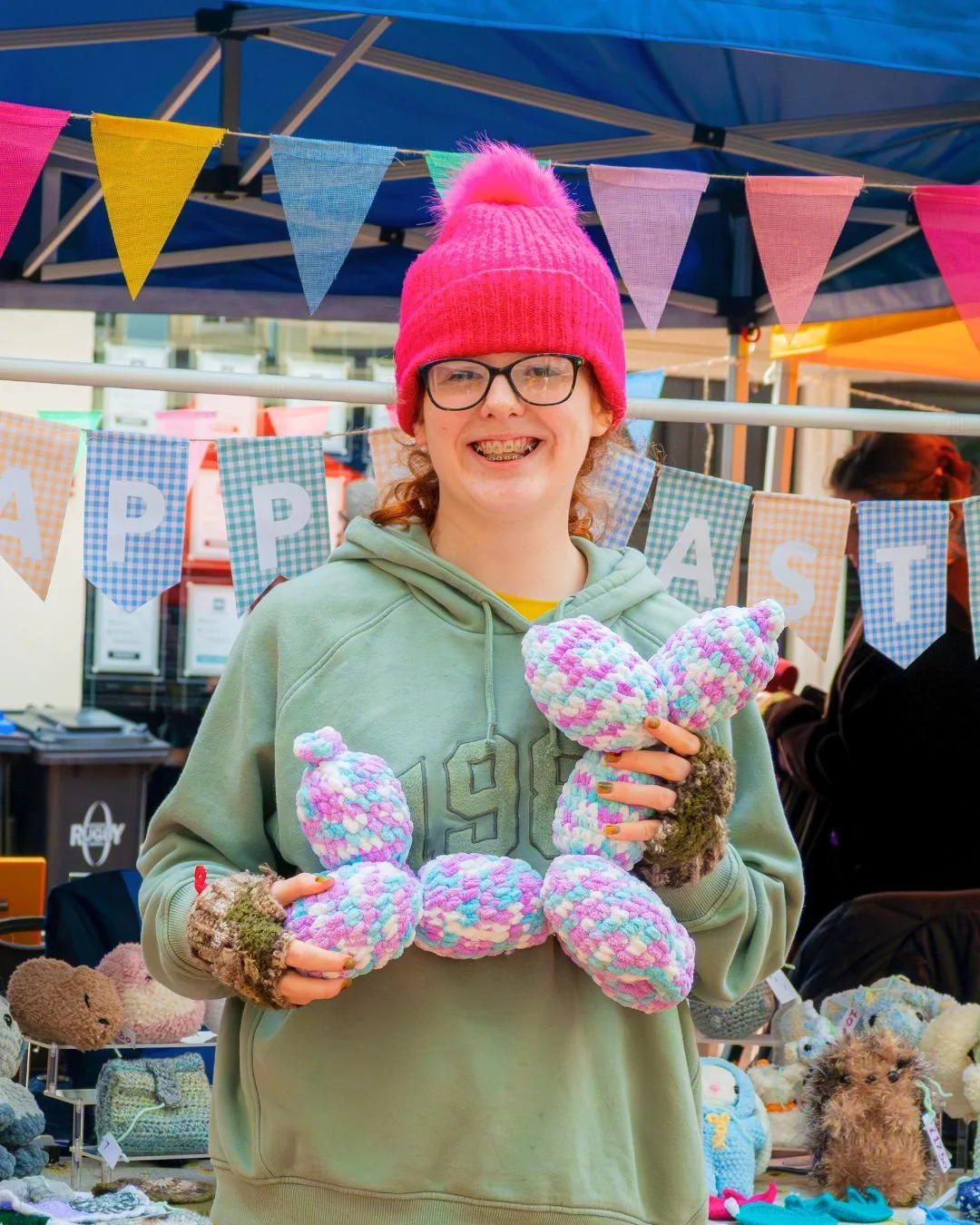
Across the country, we meet young people who are designing products, baking cakes, making jewellery, crocheting, creating art, 3D printing, performing, building online brands and turning hobbies into small enterprises. They are creative, ambitious and resourceful. Many are already finding their own routes into enterprise before anyone has offered them a formal route into work.
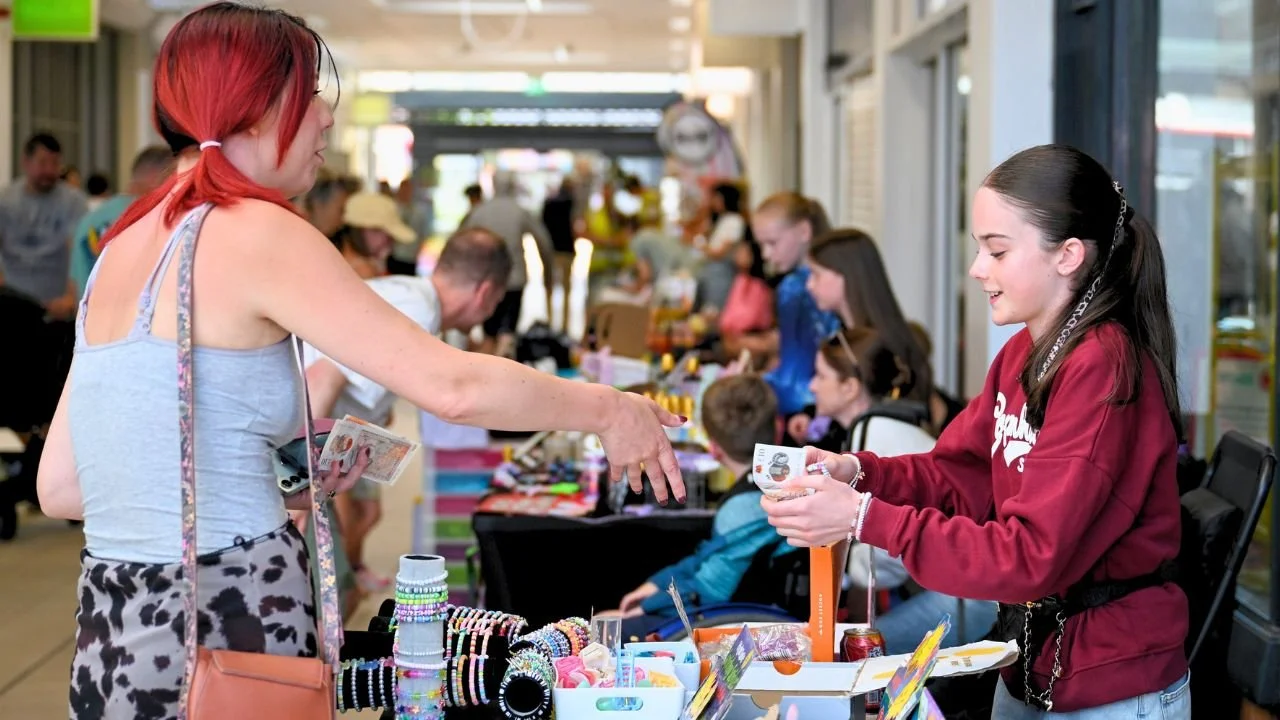
In many ways, The Teenage Market recreates the best parts of the Saturday job for a new generation. It gives young people a first taste of responsibility, customer service, communication, money management and enterprise, but in a way that reflects the more creative, flexible and self-directed paths many young people are now taking.
It is not a classroom simulation or a one-off careers talk. It is a practical, public-facing experience in a supportive environment. It is the foundation on which future participation is built.
Young people are not just told they have potential. They get to see it for themselves.
What our impact tells us
Place For Youth CIC was established to put young people at the heart of the places they live, empowering them to develop skills, build confidence and contribute positively to their local communities through creativity, enterprise and participation.
In our first year, our activity generated more than £75,000 in direct income for young people through real-world trading opportunities. Young people sold over 20,000 products across 57 events, with participants consistently reporting increased confidence, improved communication skills and a stronger understanding of business.
In our 2025/26 Social Impact Report, 99% of young people said they would take part in another Teenage Market, 99% said their confidence had improved, and 96% said their business skills had improved. These numbers matter because they show what happens when young people are trusted with responsibility and given the chance to succeed in public.


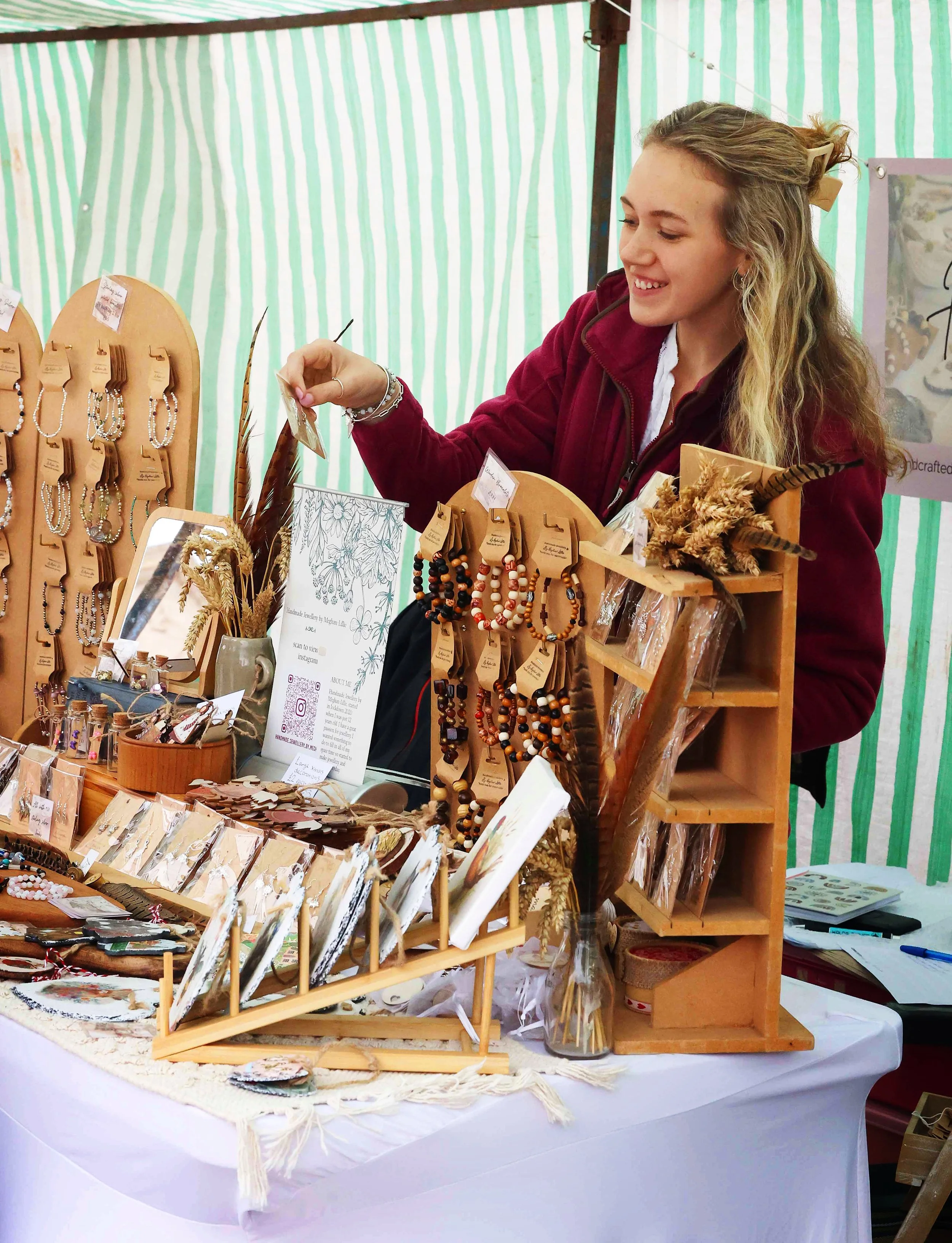
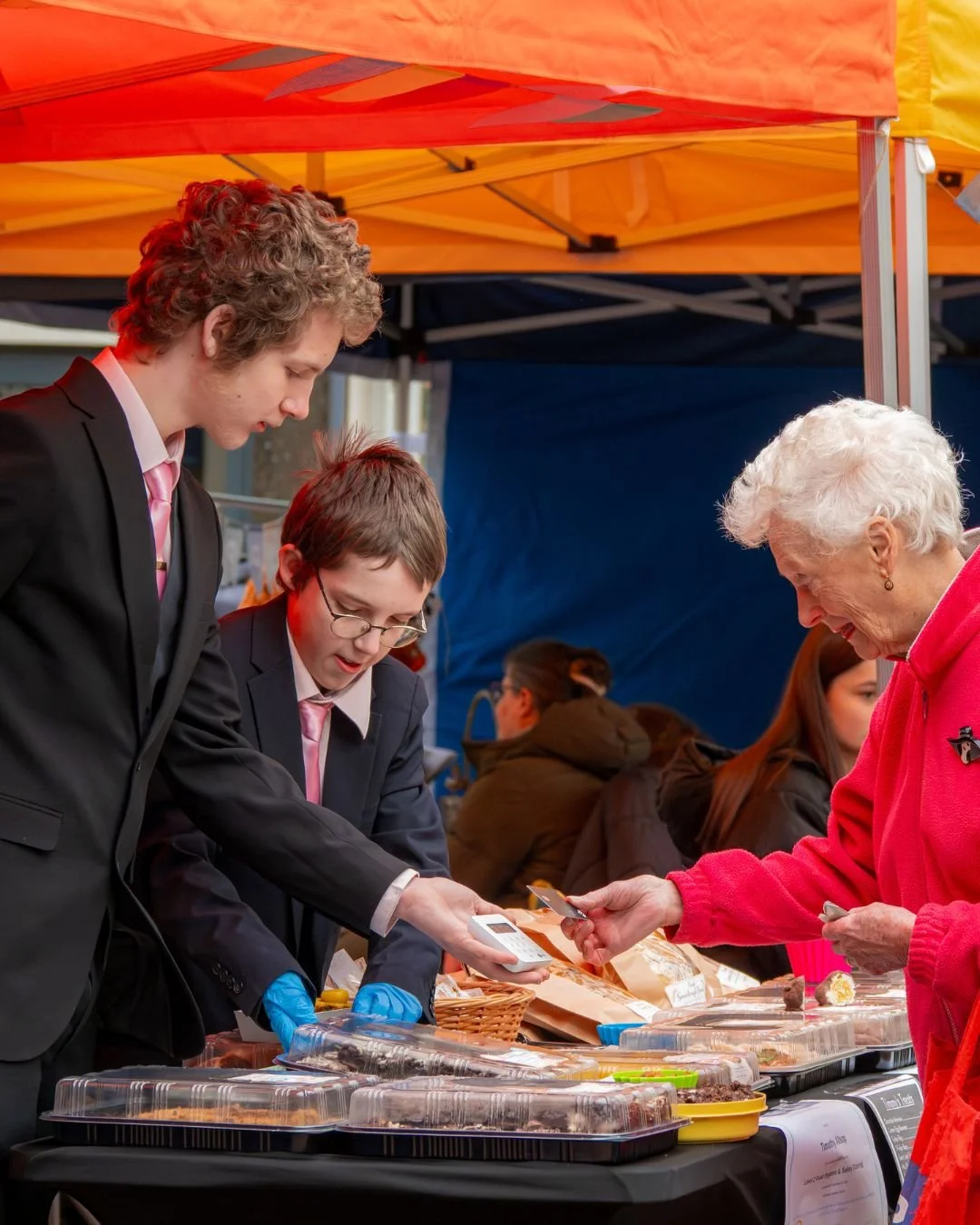
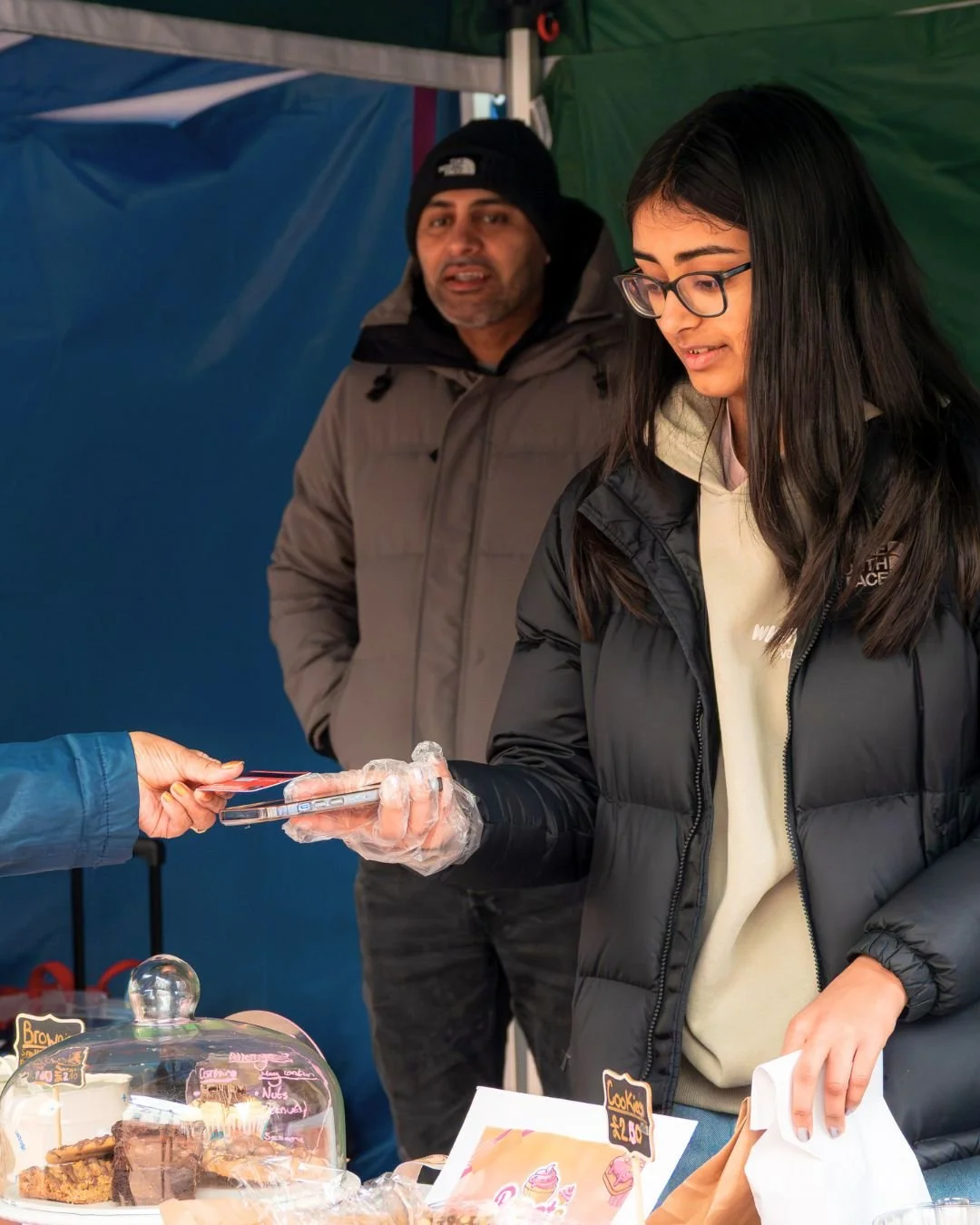
Our events provide young people with practical experience of enterprise and employability: speaking to customers, managing money, displaying products, solving problems, dealing with pressure, and learning how to present themselves. These are precisely the kinds of interpersonal and practical skills that the Milburn report identifies as essential to future participation in work.
But the impact goes beyond employability. These events also create connection. Young people meet others with similar interests. They receive positive feedback from customers. They feel seen by their communities. They begin to imagine a future in which their talents have value.
For many, that can be transformational.
Inclusion by design
A key feature of our approach is that our opportunities are free to access.
For many young people, the cost of a market stall, insurance, equipment, transport or promotion can be enough to stop them from ever taking the first step. By removing financial barriers, The Teenage Market makes enterprise accessible to those who may otherwise be excluded, including young people who are NEET, disabled, neurodivergent, socially anxious, or facing additional personal or educational challenges.
Our impact reports show this clearly.
At the Teenage Market in Rochdale, 1/3 of young traders stated that they had a physical or mental health condition expected to last 12 months or more, or were classed as neurodivergent. Despite this, 90% said they would take part in another market as a result of their positive experience.
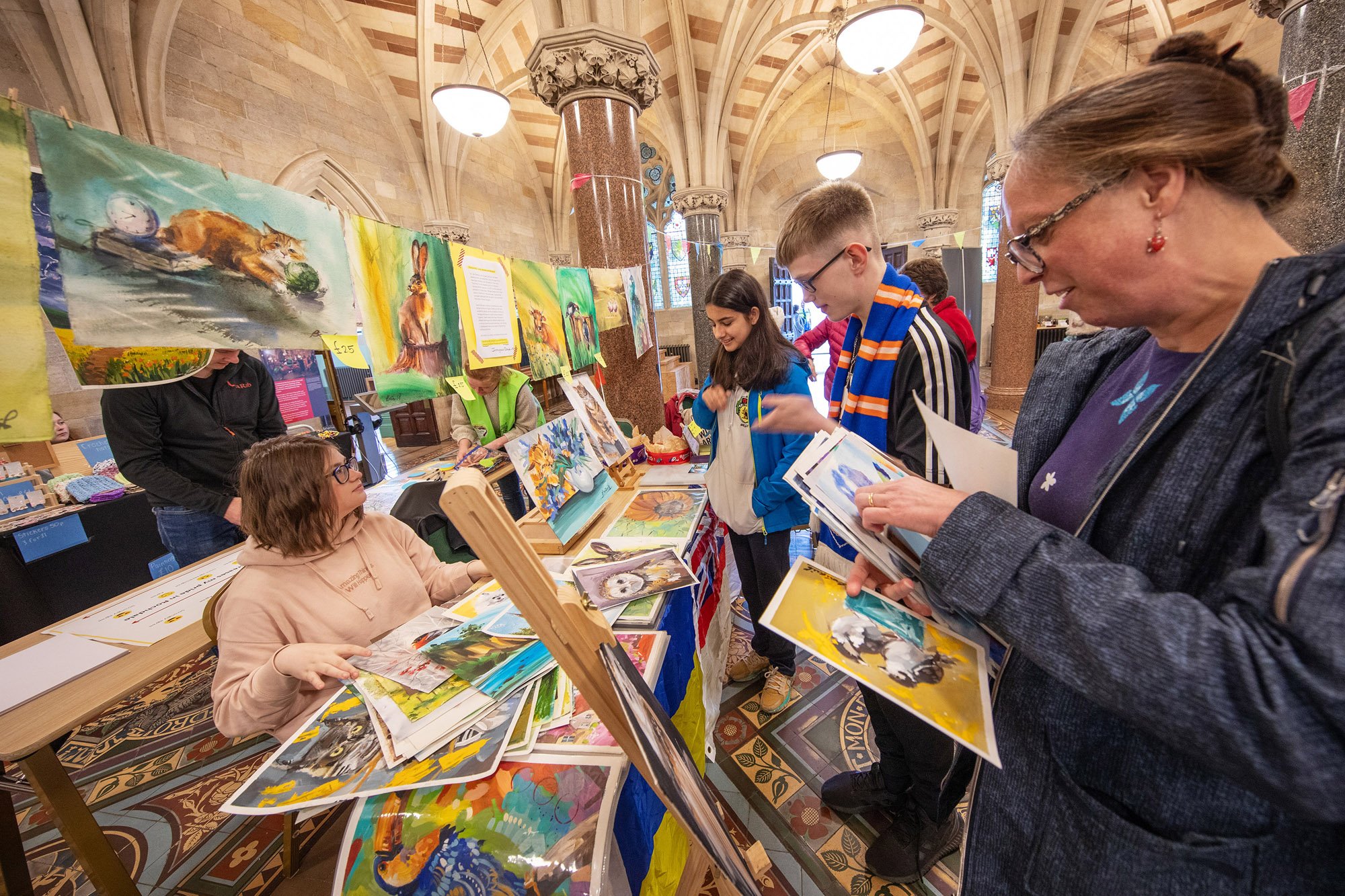
At our events across Wyre, Lucy, a 14-year-old trader with autism, described how she sometimes struggles to communicate, but found it “really nice” to talk to people, share her craft with the world, meet new people and stay connected with them afterwards.
At our Rugby event, one parent told us that taking part had helped her 12 year-old child Jacob with his autism, helping him “come out of himself” and speak to people about his products.
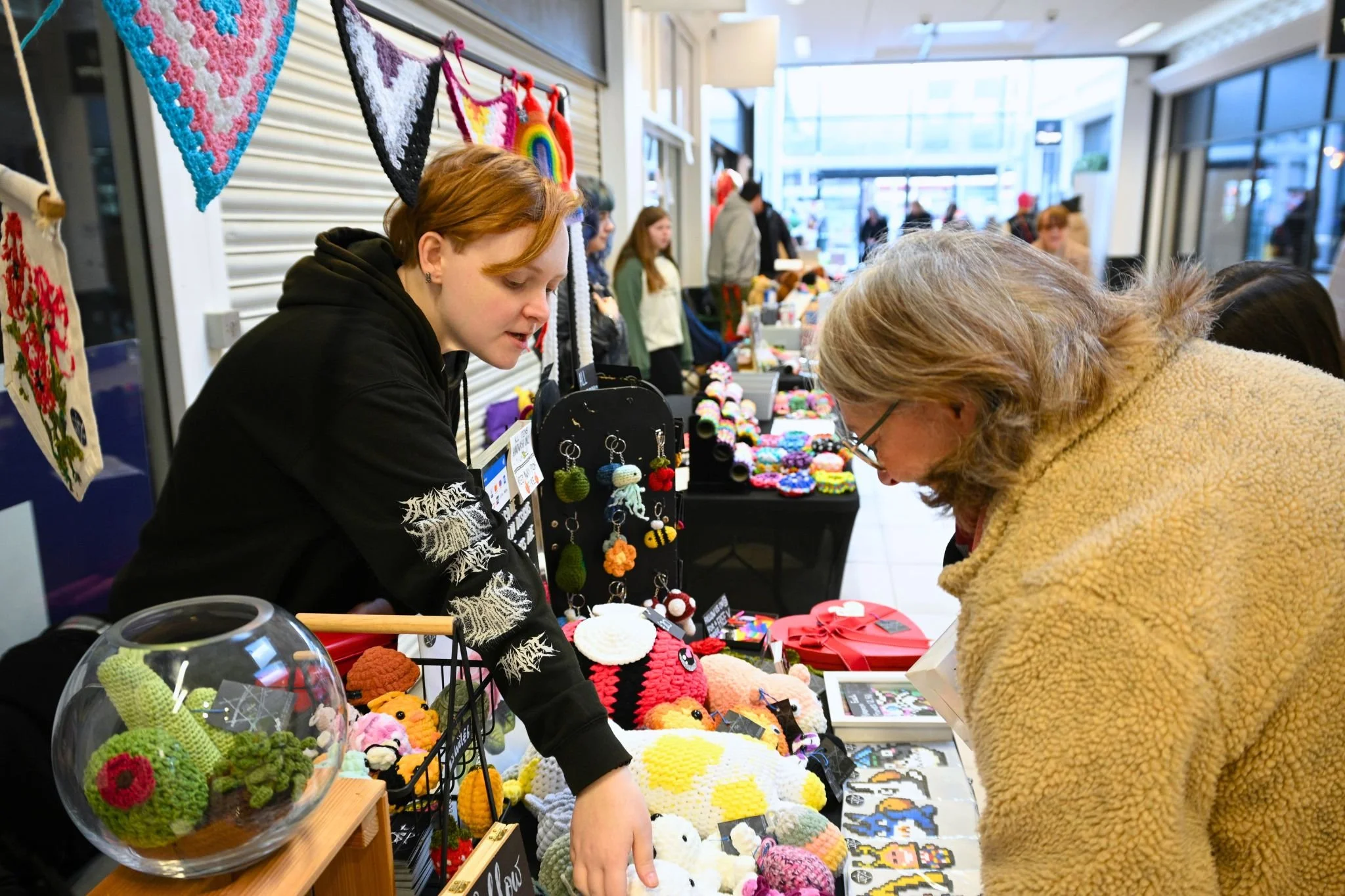
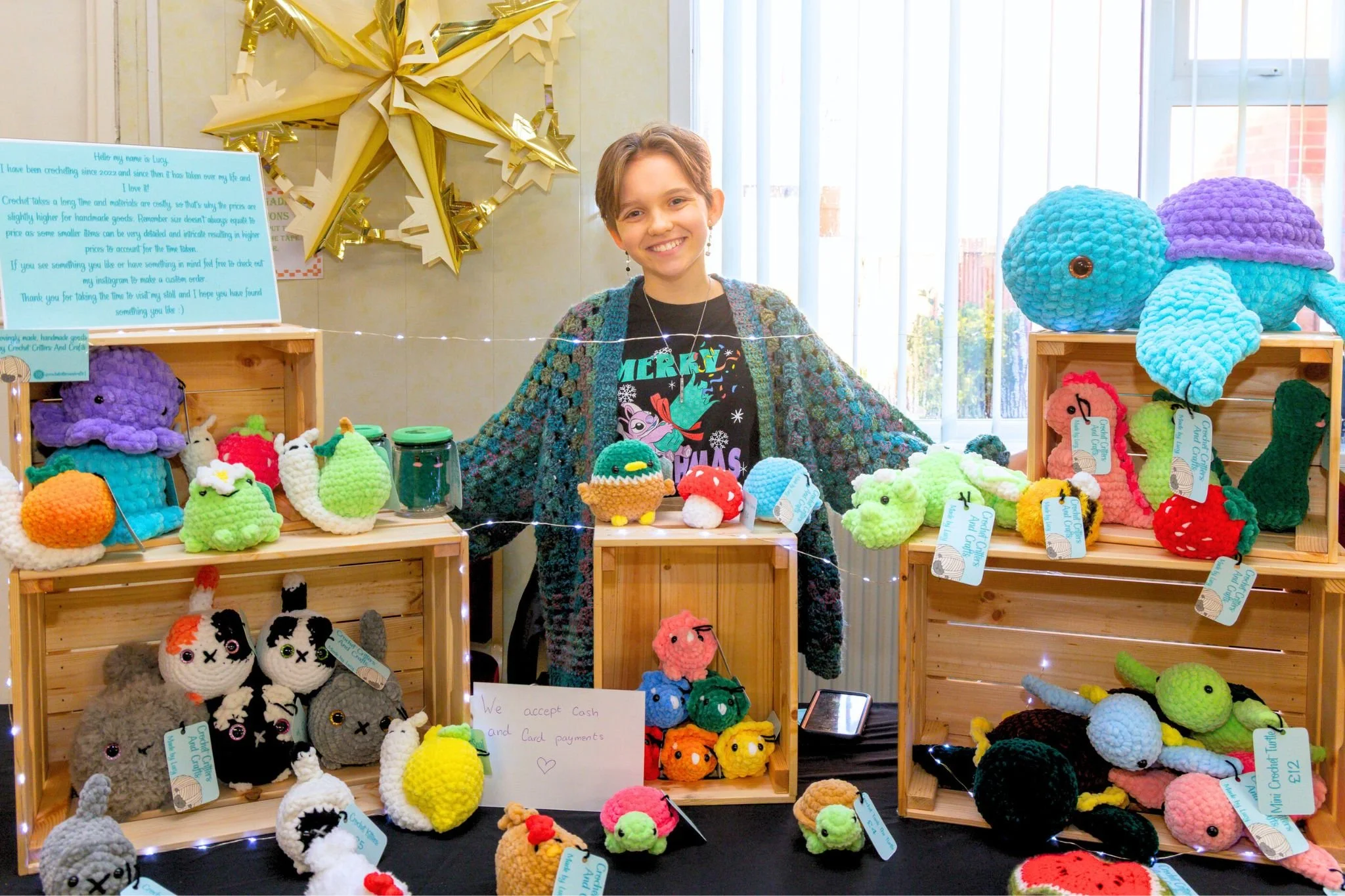
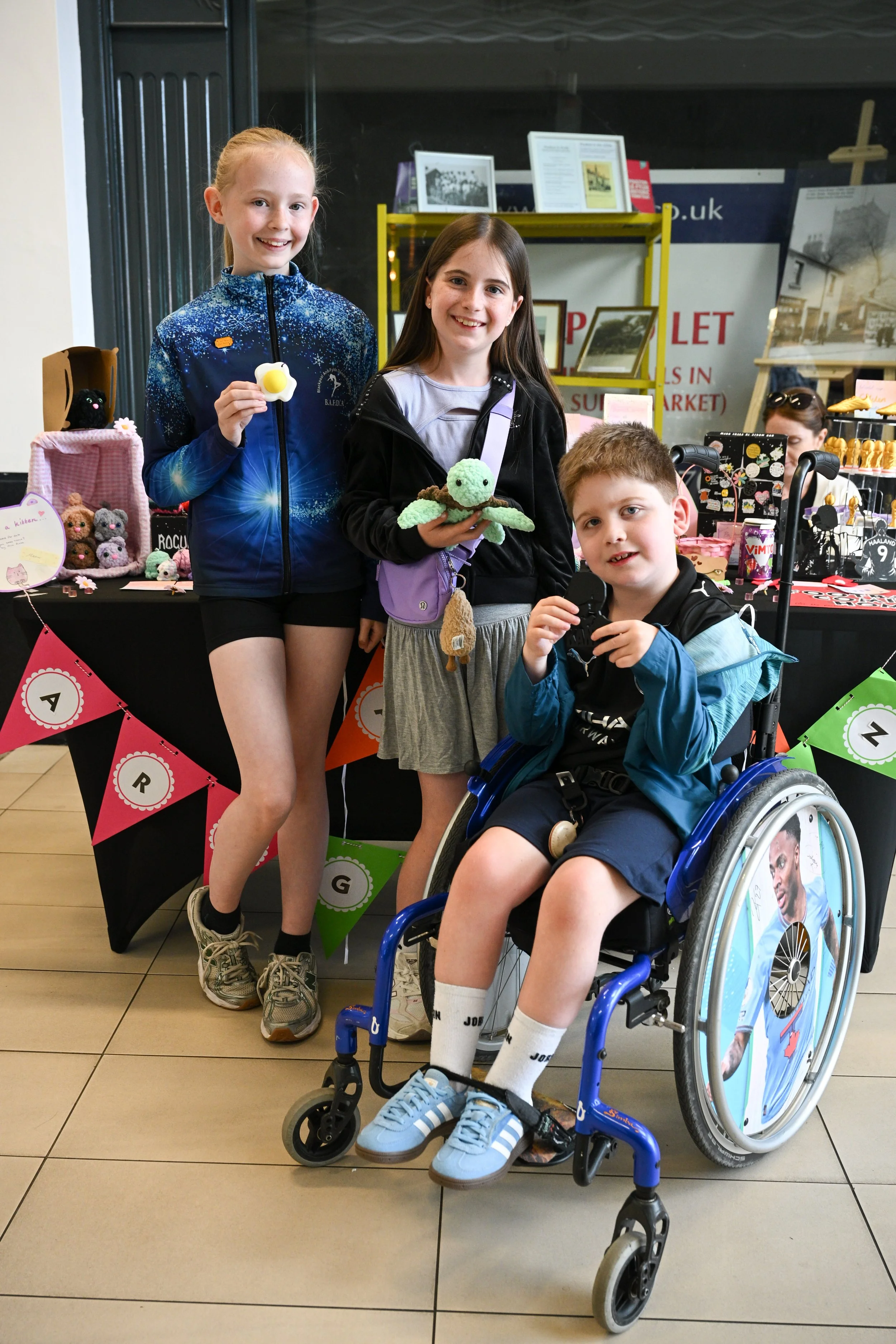
These stories show why participation cannot be seen only through the lens of employment outcomes. For some young people, the breakthrough is not immediately getting a job. It is speaking to a stranger. It is making a sale. It is being proud of something they have made.
It is discovering that the world outside their bedroom might hold possibility.
Kellie’s story: from hospital bed to high street shop
Few stories demonstrate this fact more powerfully than Kellie’s.
Kellie’s journey began in Salisbury Hospital, where she learned to crochet while attending hospital school due to mental health challenges. What started as a way to pass the time became a creative passion. When doctors and nurses started asking to pay for her handmade crochet items, a seed of inspiration was planted.
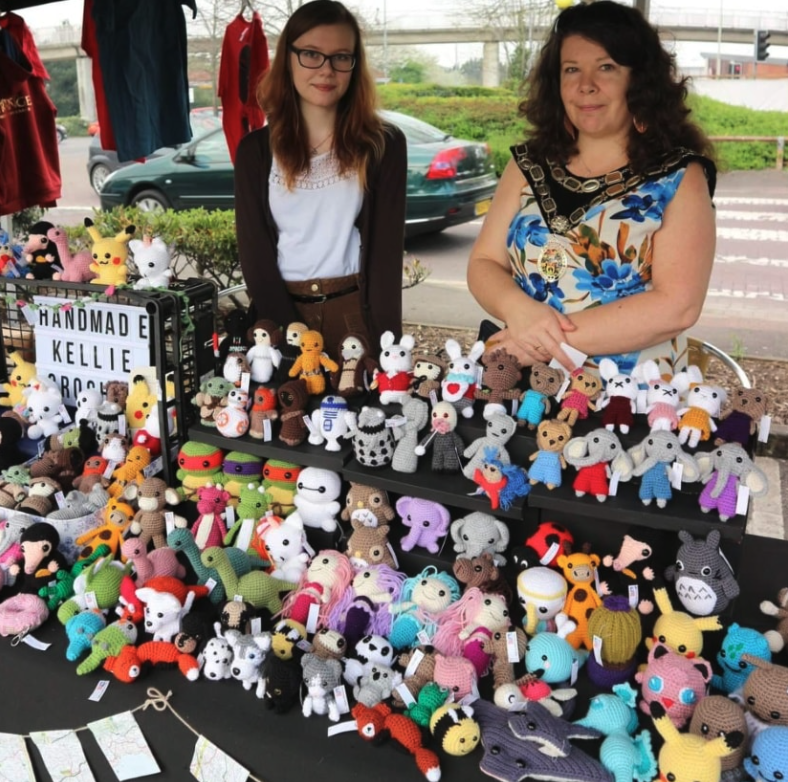


Shortly after, Kellie discovered The Teenage Market through a flyer at her local library, and was motivated to take her first step into selling her work. Her first market day was a breakthrough. She earned £80, but more importantly, she experienced pride, validation and belief.
The Teenage Market gave Kellie a comfortable environment to practise customer engagement, build confidence and test whether her creativity could become something more. Over time, the connections made and the feedback she received gave her the confidence to take the next step.
She moved from a market stall to a shared retail space, and eventually opened her own shop on Salisbury high street, ‘Stuff’, that sells handmade crafts from local artisans.

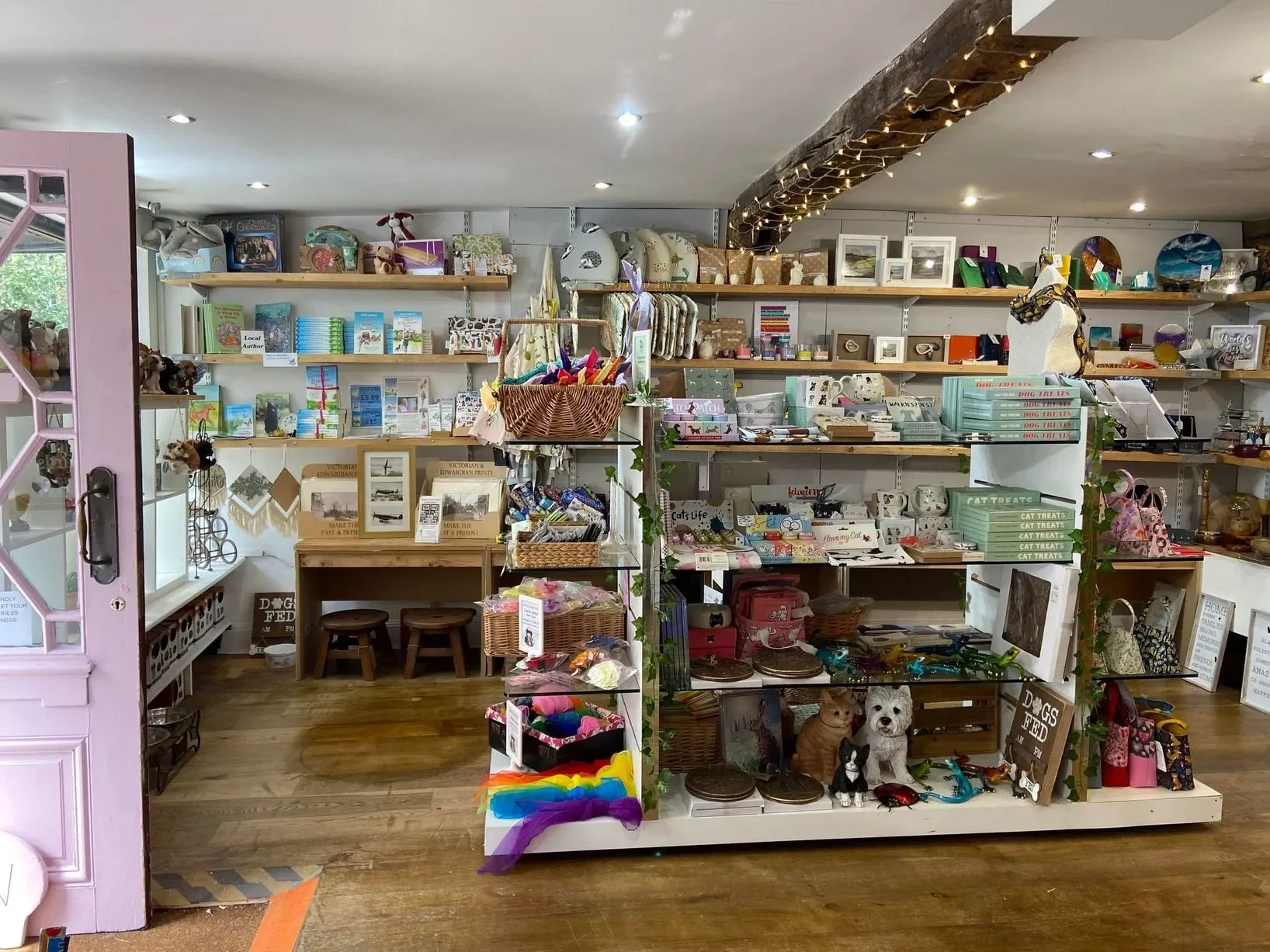
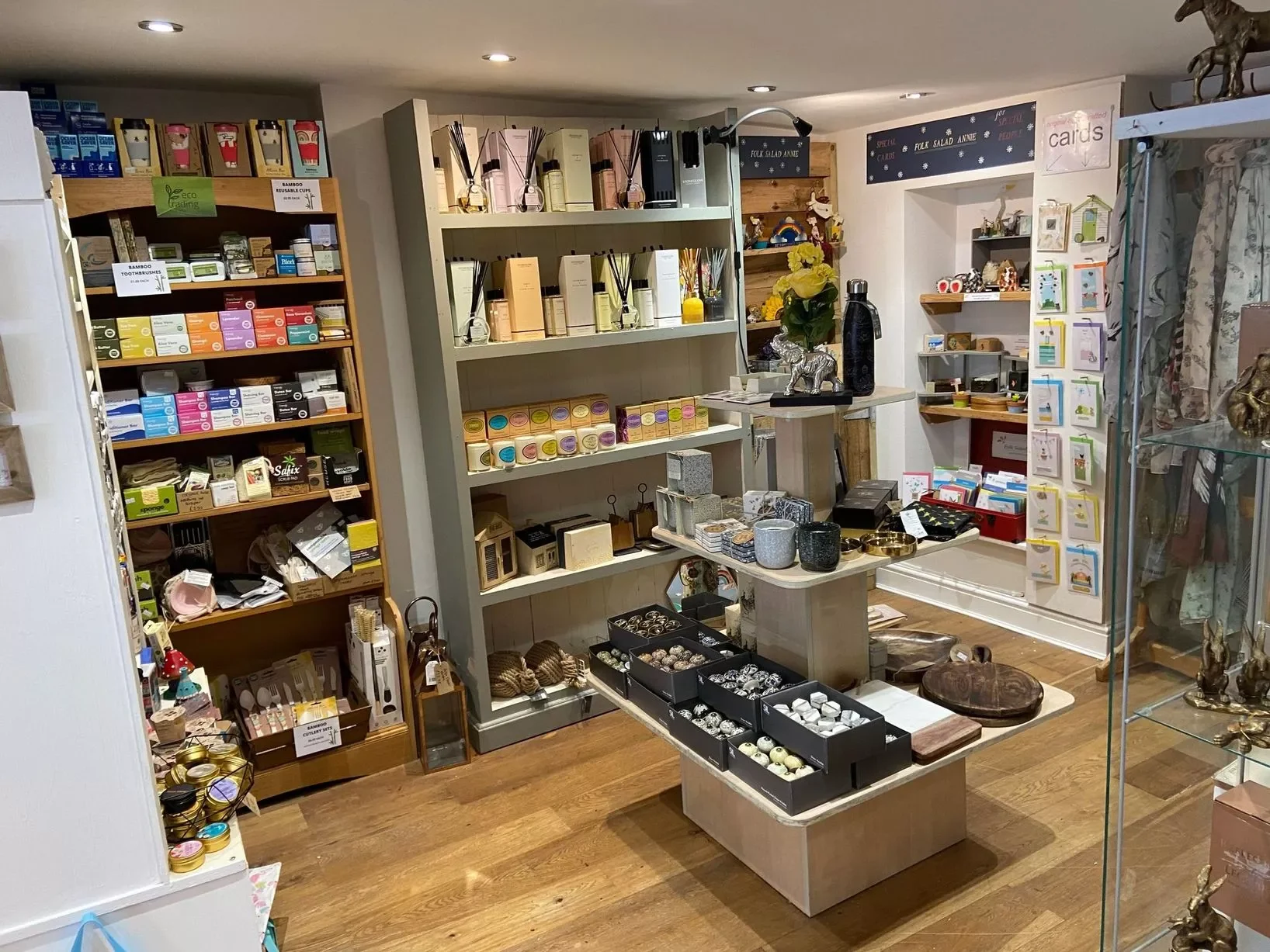
Kellie has since said that without The Teenage Market, she does not think she would have a shop today. It gave her the connections, experience and belief that she could make it happen.
Her story is a powerful example of what the Milburn report is calling for: systems and opportunities that focus on what young people can do, rather than what they cannot.
Kellie’s journey also reminds us that the path to work is not always linear. For young people, especially those who have experienced poor mental health, disability or long periods away from traditional education and employment, participation may begin with creativity. a hobby or a stall at a local market. But with the right support, that first step can become a business, a career, a community, and a future.
A practical response to a national challenge
The Milburn report rightly argues that incremental programmes are not enough. The scale of the youth participation challenge requires system change.
But system change must be built around practical models that already work.
The Teenage Market is one such model. Since launching in Stockport in 2012, it has supported more than 4,000 young entrepreneurs across more than 50 locations, enabling young people to collectively earn over half a million pounds through their creativity and enterprise.
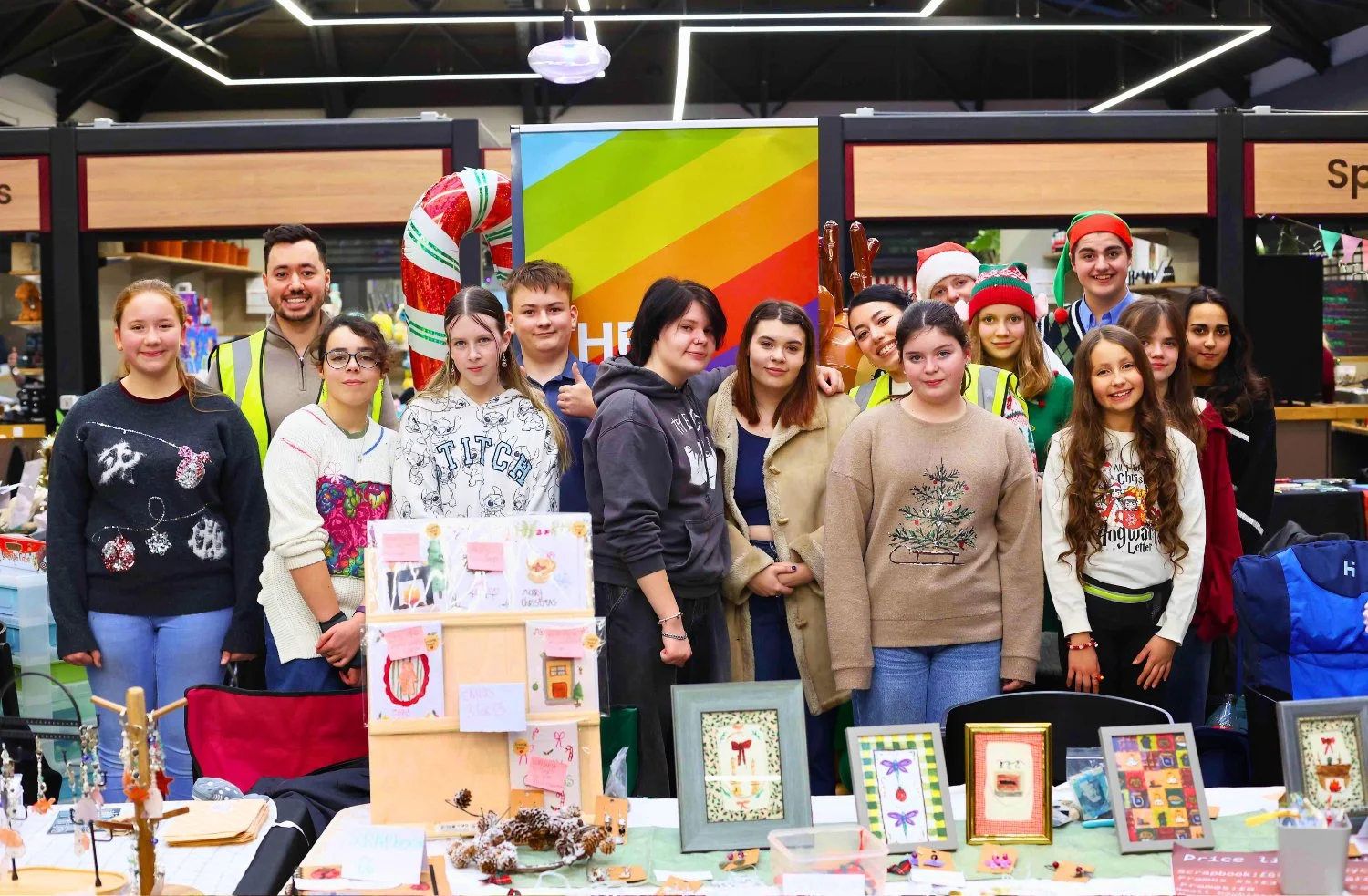
It has worked in post-industrial urban centres, rural market towns and coastal communities. It has supported young people taking their very first step into trading, as well as those who have gone on to become regular market traders, secure commissions, develop online businesses, open shops, and pursue new education or employment pathways.
It has also helped to animate high streets and town centres, creating inclusive, intergenerational spaces where communities can come together around the creativity of young people.
That combination matters.
A participation system should not only be about moving young people into existing jobs. It should also be about helping young people create value, build confidence, develop enterprise, and contribute to the places they live.
The opportunity ahead
The Milburn report is a warning, but it should also be a call to action.
If we want to reduce the number of young people becoming detached from education, employment and training, we need to invest in practical, local, supportive pathways.
We need to create more spaces where young people can build confidence before they are expected to perform in a formal, professional environment.
We need to recognise that mental health, disability and neurodiversity should not be treated as reasons to write young people off, but as reasons to design opportunities differently.
The Teenage Market and the wider work of Place For Youth show what this can look like in practice. Our events are not just markets. They are confidence-building spaces, enterprise incubators, community platforms and stepping stones into future work and employment.
The Milburn report makes clear that Britain needs a better participation system for young people.
Our impact shows that, with the right support, young people are ready to participate.
They just need the opportunity.